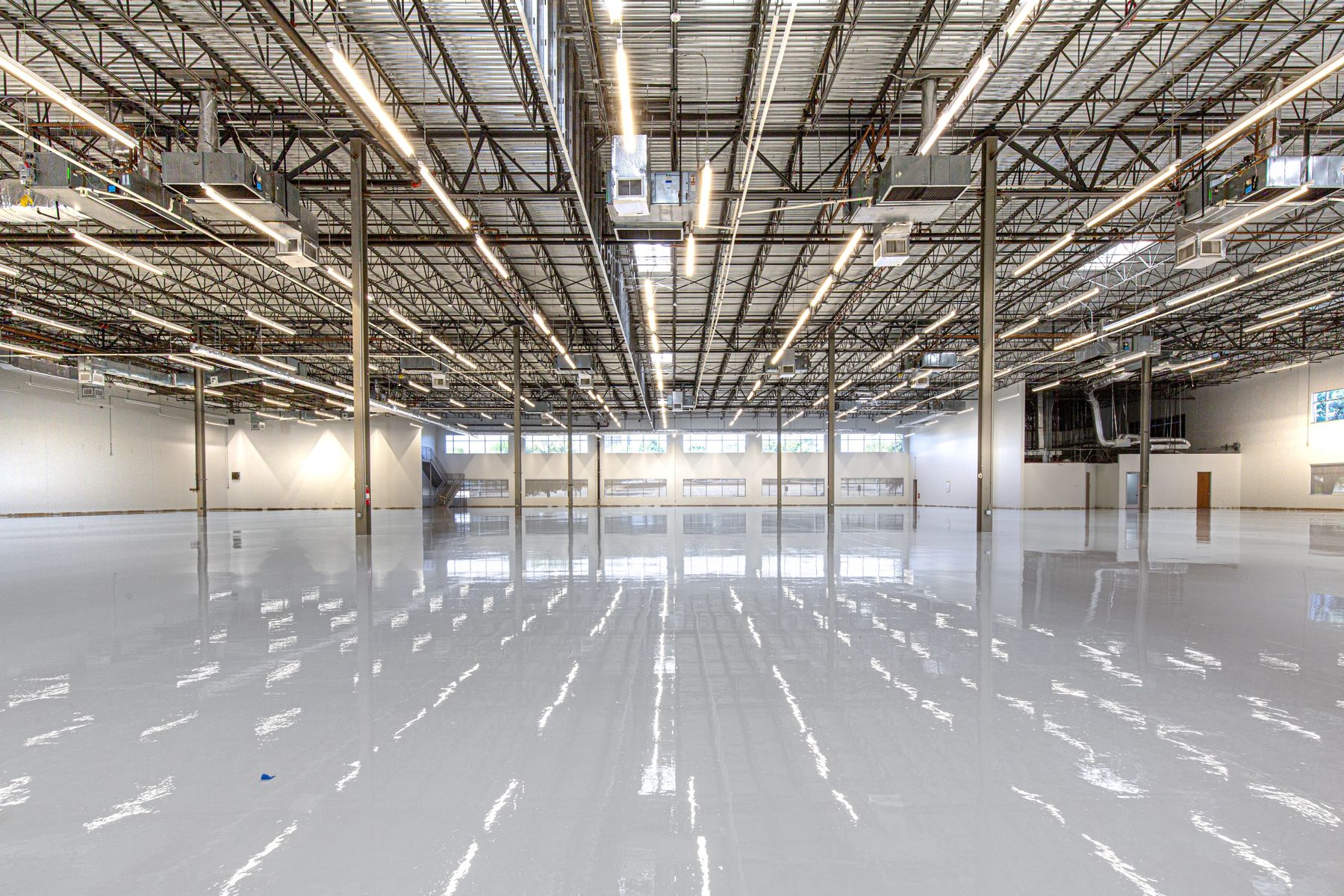
Can epoxy be applied over tiles?
Sometimes, with a system designed for the existing floor and an assessment that supports keeping it. A product labelled epoxy is not, by itself, evidence that it can be installed over your tiles. Ask the proposed installer to identify the complete system and confirm which existing layers it is intended to retain.
There are South African examples. Teracoat markets Eurocoat for use over tiles; its linked data sheet describes a water-based resin using epoxy technology. The supplier also says it declines unsuitable substrates unless they are repaired. That is evidence about its own offering, not approval for every resin or tiled floor.
Solid Tech Flooring in Cape Town also advertises installation over some existing tiled floors following an assessment. These references are examples of the question being assessed professionally. Neither establishes availability in Bloemfontein or a relationship with this website.
What needs to be assessed?
Before accepting an overlay proposal, ask for the assessment and any outstanding checks to be recorded. A photograph or the visible condition of the tile surface cannot answer every question about the layers below it.
| Item | What to clarify |
|---|---|
| Existing materials and condition | Which tiles, grout, adhesive and underlying floor are present? How will their condition and suitability for retention be assessed? |
| Moisture and contamination | What checks does the named system require? Mention known leaks, damp, oil, waxes or previous treatments; ask how uncertain findings affect the proposal. |
| Cracks and movement | How will cracks and existing joints be assessed and detailed? Which joints or transitions will remain visible in the finished floor? |
| Levels and clearance | What is the proposed finished level at doors, steps, drains and adjacent rooms? Who includes any resulting adjustments? |
| Use and exposure | Describe vehicles, foot traffic, washing, spills and sunlight. Ask which evidence supports the proposed system for those conditions. |
Sika's selection guidance considers the substrate, traffic, exposure, cleaning and finish together. The Eurocoat sheet has its own substrate and primer requirements. A test method or moisture limit for one product should not be transferred to another system.
Compare keeping and removing the tiles
Ask for a clear reason for the recommended route. The useful comparison includes everything needed to deliver the agreed floor, rather than just the price of the final coating.
Keeping the tiled layer
The quotation should identify the accepted existing substrate, any areas needing repair, the preparation and complete overlay system. Ask how joints, transitions and finished levels are handled, and what happens if inspection reveals that the retained floor is unsuitable.
Removing the tiled layer
The quotation should say what is removed, how waste and adjacent areas are managed, and what assessment or preparation follows. Clarify whether repair or levelling of the exposed base is included, provisional or separately priced.
When the answer is still uncertain
Record the inspection or information needed before the choice can be made. Keep allowances visible and agree how extra work is approved. Avoid treating an unresolved condition as an included repair or a zero-cost item.
Describe the plain finish you want
If you want one consistent colour throughout, say so before the system is selected. Agree the colour reference, sheen and texture separately, and ask to approve a representative physical sample of the proposed finish.
One colour
Specify a plain colour across the agreed areas. State whether flakes, metallic effects or colour variation are unwanted.
Sheen & texture
Clarify matt, satin or gloss and the actual surface texture. Ask how the finish suits cleaning and use of the space.
Joints & transitions
Ask what will remain visible at tile joints, movement joints, thresholds and changes of surface.
A seamless description does not settle every appearance detail. For example, Teracoat describes Eurocoat as matt in its data sheet and notes light trowel marks on the product page. Check the proposed system's sample rather than assuming all resin finishes look identical.
Compare the complete cost
There is no verified Bloemfontein overlay-versus-removal price comparison on this page. Use quotations for the same measured area and desired result, then separate the following items:
- Assessment, preparation and any repair of retained layers.
- Tile and adhesive removal, waste handling and base repairs, where proposed.
- The named primer, resin layers, finish and any joint or edge details.
- Furniture or equipment moves, protection and access arrangements.
- Time out of use, return-to-use instructions and cleaning requirements.
- VAT, minimum charges, travel, exclusions and provisional items.
Keeping tiles is not automatically the cheaper complete job. Ask each provider to explain its scope before comparing the totals. Our cost and preparation guide provides a budget structure; the quotation comparison tool works with prices you already have.
Prepare your renovation enquiry
For a Bloemfontein project, include the suburb or nearby area, how the rooms are used and the approximate tiled area. Measure accessible rectangular areas as length × width and add them together; separate tiled and untiled sections. The contractor should confirm the measurements for a quotation.
Describe what you know about the existing floor, any visible damage, previous repairs, known moisture problems and your preferred timing. If the material or condition is unknown, say so. Add a clear description of the plain finish you want and any doors, fixed equipment or operating hours that constrain the work.
You can send a project enquiry for review, or create a brief to keep and share yourself. CA LABS LLP is an independent enquiry service; a quotation or contractor introduction is not guaranteed.
Questions, answered.
Can any epoxy floor paint be applied over tiles?
No general approval follows from the word epoxy. Ask for the named system's intended substrates, required assessment and written installation scope.
Will the old grout pattern disappear completely?
Ask the installer how the proposed build-up addresses the existing surface profile and what appearance is being agreed. Also clarify which movement joints or transitions must remain. A photograph of another floor does not settle those details.
Does keeping the tiles guarantee a faster or cheaper renovation?
No. Compare the full preparation, repair, installation and return-to-use scope. Where the existing floor has not been assessed, keep the uncertain work explicit.
Do the product references mean these suppliers are your local partners?
No. They are sources for this guide. Their products, installation areas and availability must be confirmed directly; this page does not establish a Bloemfontein partnership.